Paint costs less on day one — we'll say that plainly. Here's how wallpaper and paint really compare across a whole Bangkok home over the years you live in it, and the rooms where we'd choose paint ourselves.
Every Bangkok home arrives at the same fork in the road. You've got a home full of walls, a number in mind and an opinion about how the place should feel — and somebody is about to ask whether you want it all painted. So: wallpaper vs paint in Bangkok, taken across a whole home rather than one wall. It's a question with an honest answer, and it isn't the one either trade usually gives you.
Let's get the awkward part out of the way. Paint costs less on day one. Comfortably less. Published Thai trade guides and decorator quotes put painting labour at roughly ฿50–180 per square metre depending on scope and area, with the paint itself on top. Our wallpaper starts at ฿400/sqm in our premium range, installation quoted separately. Nobody should pretend otherwise.
So the interesting question isn't which costs less this month, but which still looks the way you wanted in year four.
The cost that actually matters is cost per year of looking good
A painted wall in Bangkok is not a permanent object. Between the sun, the wear at hand height and the marks around every doorway, most people repaint sooner than they expected to. Wallpaper hung on a properly prepared wall tends to outlast that by a wide margin.
We won't put a number on either lifespan — the honest inputs vary far too much from one home to the next, and anyone quoting you a confident figure is guessing. But the shape of the comparison changes once you see it this way. You aren't weighing one payment against another. You're weighing several rounds of painting — each with its own labour, its own furniture-shifting, its own week of smelling like a hardware shop — against one wall that is still doing its job.
That's the right lens, even without a tidy number attached to it. Our full cost breakdown for Bangkok has the detail if you want to run your own numbers.
What happens when something goes wrong
This is the argument nobody makes, and the one that changes minds.
Damage a papered wall — a chair leg, a removals trolley — and the repair is a single drop — one full-height strip — taken down and re-hung. An hour or two, and the pattern picks up where it left off.
Damage a painted wall and you have a choice nobody enjoys: live with it, or touch it in. Touching in almost never works — paint from the same tin won't match four-year-old paint that has spent those years fading and collecting the room's life. You end up repainting the whole wall to hide a mark the size of your hand.
Keep a spare roll. It's the most useful thing we tell clients, and it costs almost nothing at the time of order.
Paint needs a near-perfect wall. Thai concrete rarely is.
Paint is a thin film. It hides nothing — it does the opposite, because a matt finish in raking afternoon light finds every ripple, trowel mark and hairline crack a wall has ever had. Getting a painted wall genuinely flat means skimming and filling, labour that lands back in the quote.
Wallpaper is more forgiving. It has substance, and a patterned or textured face breaks light up rather than raking across it, so the ordinary imperfections of a concrete wall stop being visible.
Think, too, about which wall. With the aircon holding a room at 22°C against a 35°C afternoon outside, the walls on the sun-facing side of a flat behave differently from the inner ones. On the cold side of that equation — the wall the aircon blows straight across, the one backing onto an unconditioned stairwell — paint is the easier call, and we'd often make it. Either way it shapes the preparation: our guide to wallpaper in Bangkok's humidity covers what to check and which rooms we'd say no to. It's also the calm answer to the claim doing the rounds online that wallpaper peels here within six months: what decides that is the backing and the preparation, not the postcode.
Pattern does work that paint structurally cannot
Paint gives you colour. That's a lot — but it's one thing.
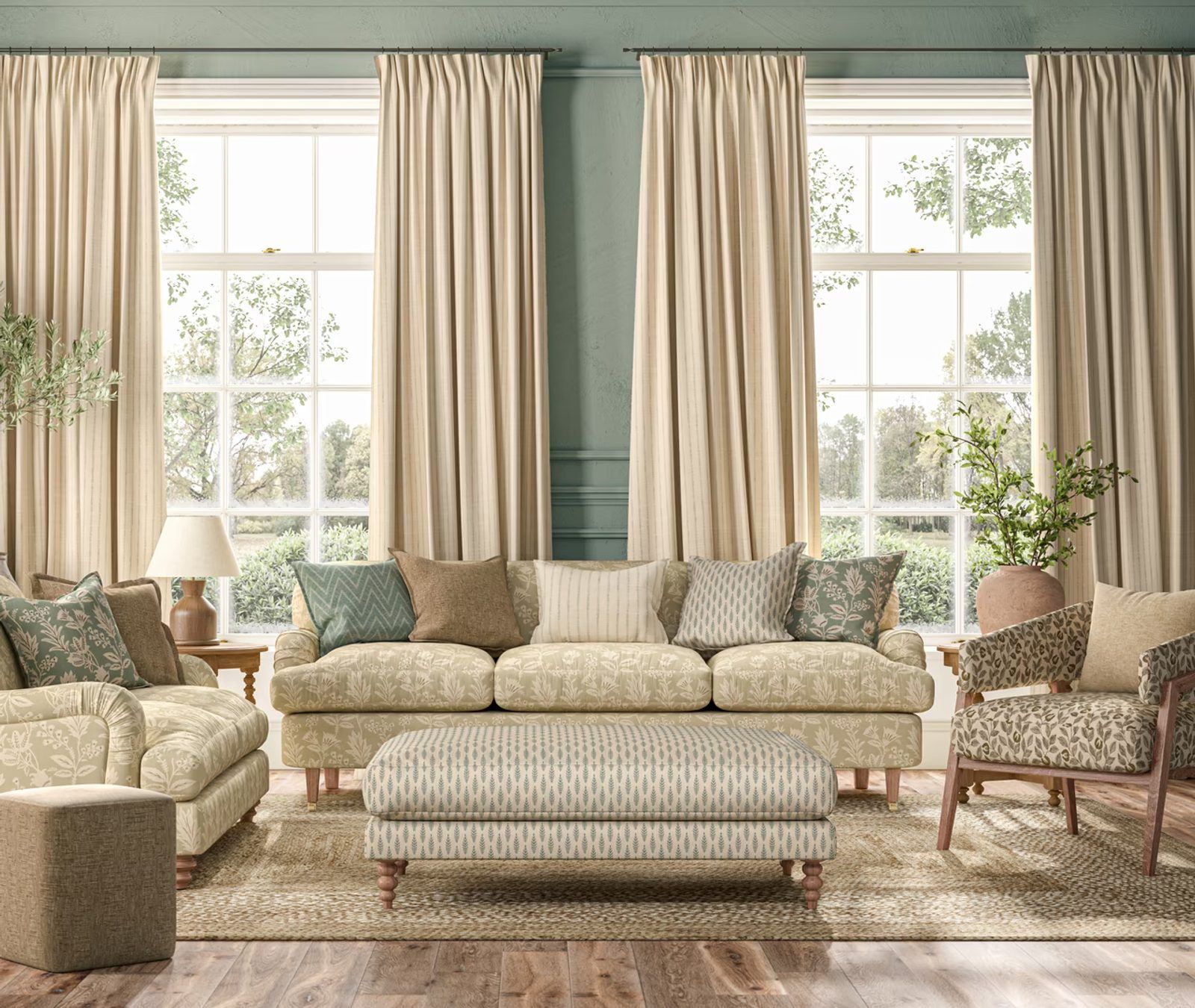
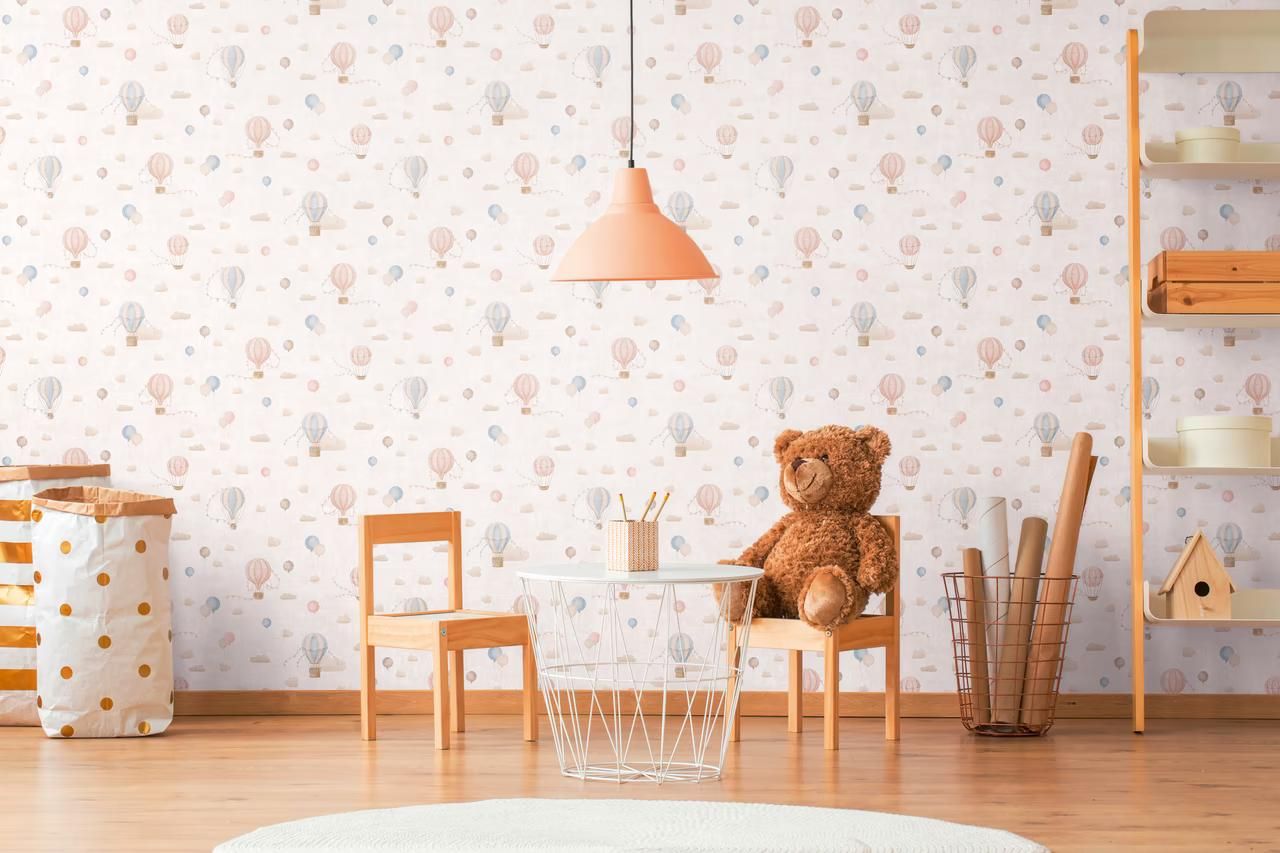
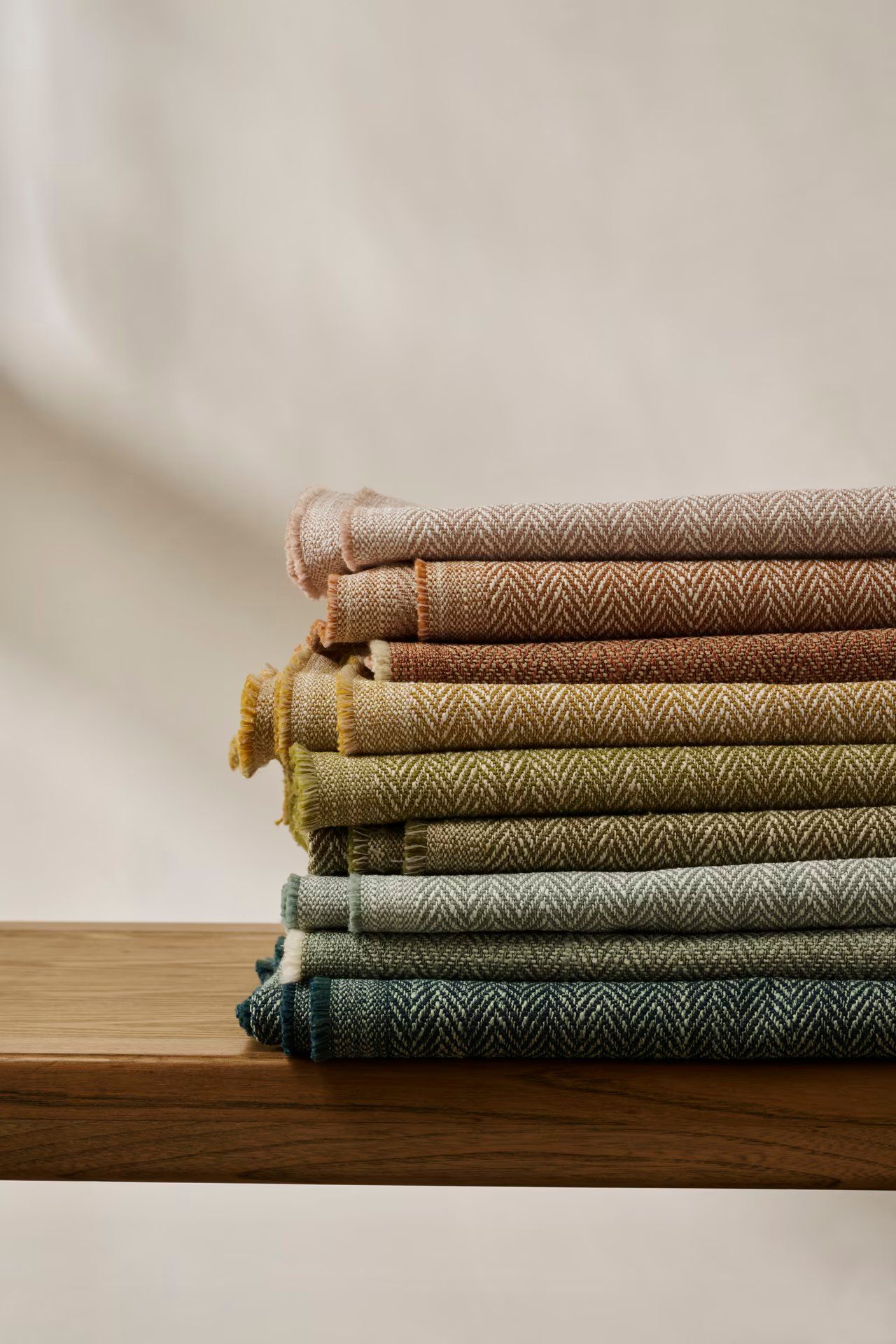
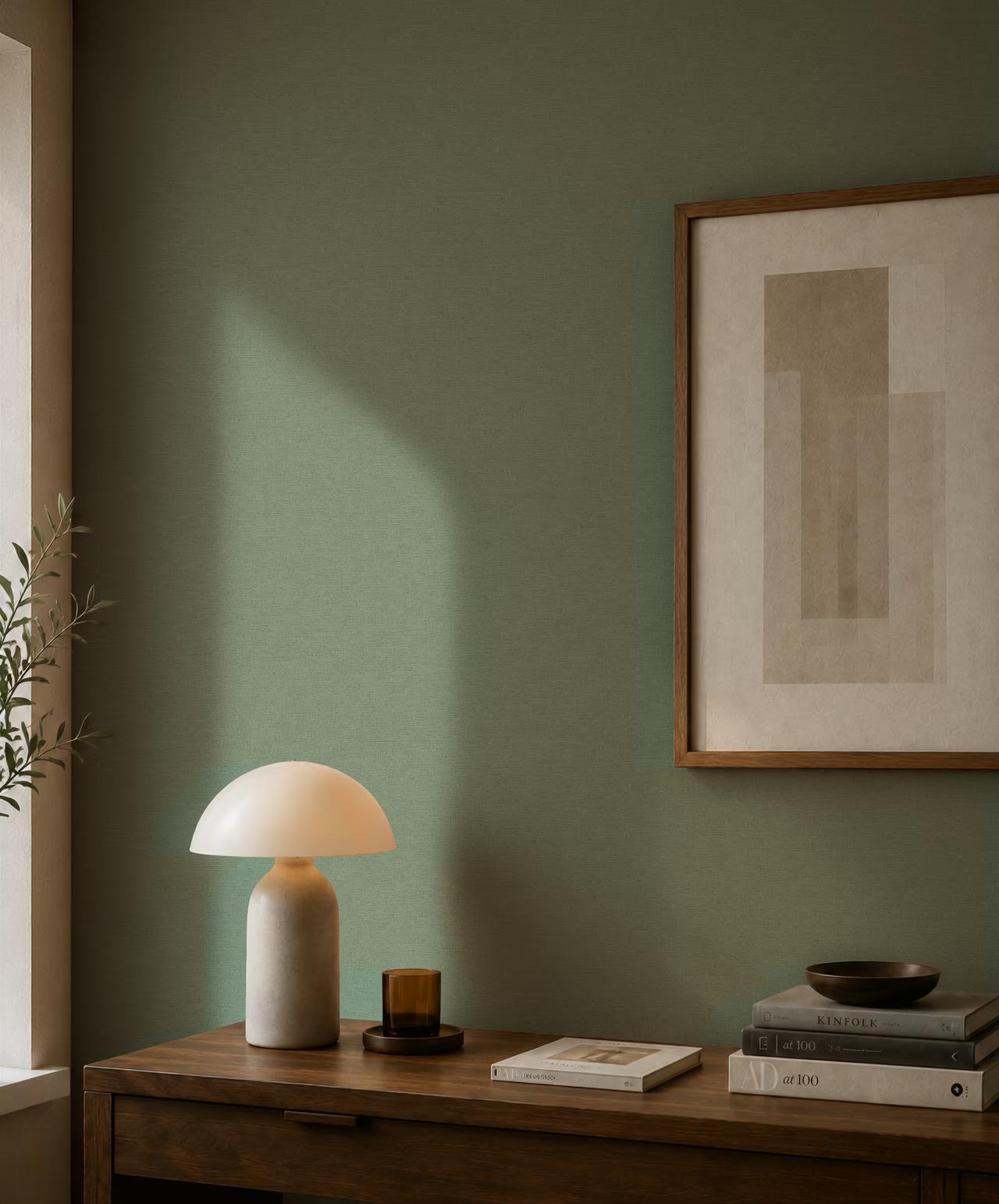
Wallpaper gives you colour, plus scale, plus texture, plus a repeat — the distance before a pattern starts over again, which is what gives a wall its rhythm. A large-scale botanical makes a small bedroom feel taller. A tight geometric gives a long corridor rhythm instead of length. The botanicals in the OHPOPSI books do something to a dining room no single shade of green can do, and the gilded geometry of Versace is an effect, not a colour. Even the quieter AS Création books hold plains with a woven or linen texture that catch evening light in a way flat emulsion never will.
If a room already has good bones, paint is plenty. If it needs a focal point, paint can only offer a darker version of the same idea — our wallpaper is where to start looking instead.
If you've already narrowed it to one wall — the one behind the bed, the one you face from the sofa — that's a narrower question than this guide is answering, and our sister shop has written it up properly: mural vs paint for a single feature wall. Come back here for the other rooms.
If you're renting, the calculation is different again
Renters usually assume paint is the landlord-friendly option. Often it isn't — repainting to the original colour at the end of a tenancy is a real cost, and Thai leases vary on what you may change. Removable wallpaper on a sound wall can come off cleanly, which is why we cover renting separately in our guide to wallpaper in a rented Bangkok condo. If you'd rather not touch the walls at all, curtains and soft furnishings change a room more than most people expect.
Where paint plainly wins
We sell wallpaper, and we'd still choose paint in all of these. If you're in one of them, paint is the answer.
- Wet rooms. Bathrooms without proper ventilation, shower walls, anything that lives in steam. Paint. Every time.
- Kitchens, at the cooking end. Grease, heat and the daily wipe-down are paint's home ground. Wallpaper can be lovely in a dining area; behind a wok it is a mistake.
- Balconies and anything exposed. Outdoor and semi-outdoor walls aren't a wallpaper conversation at all.
- Ceilings. Technically possible, rarely worth it, and never the saving you'd hope for.
- Small, awkward surfaces. Cupboard interiors, narrow returns, walls cut to pieces by windows, doors and switches. Once a wall is more edge than field, pattern stops paying and waste goes up.
- Anything you intend to redo in two years. A refresh before a sale, a short lease, a colour you're unsure of — paint. Wallpaper earns its keep over time, and two years isn't long enough to earn it.
- Very large areas where the spend is capped. Whole-house coverage is where paint's day-one advantage compounds hardest.
Quick answers
Is wallpaper more expensive than paint in Thailand?
To fit, yes. Over the life of the wall the gap narrows and can close, because a painted wall here is usually redone several times over while one properly hung wallpaper is still looking well.
Should Bangkok humidity change the decision?
Rarely — it changes the preparation, not the choice. Our humidity guide has the full picture.
What does installation cost?
It's quoted separately, never folded into the per-sqm price: ฿1,800 for the first six rolls, ฿250 per further roll, and ฿60/m² to remove old wallpaper. Our installation service page explains what's included.
Not sure which way to go?
Send us a photograph of the wall you're thinking about — usually that's all it takes for us to say honestly whether it wants paper or paint. A design consultation is free, in English or Thai, and if the answer is paint, we'll tell you so. Or start here and we'll take it from there.